Archive


SERDA Participated in the Danube DNA Project Final Event
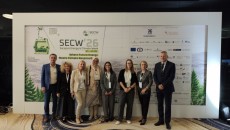
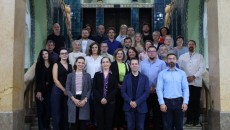
Representatives of the Sarajevo Regional Development Agency (SERDA), a partner in the Danube DNA project, participated in the project's final event held on 13 May in Budapest, Hungary. The event brought together project partners, small and medium-sized enterprises (SMEs), experts, and other relevant stakeholders from the Danube region to exchange knowledge, experiences, and solutions in the field of the digital transformation of SMEs.


In addition to SERDA representatives, the event was attended by representatives of the Foreign Trade Chamber of Bosnia and Herzegovina, an associated strategic partner in the project, as well as representatives of stakeholders and the business community from Bosnia and Herzegovina.
During the final event, the project's key achievements were presented, including the Danube DNA Knowledge Transfer Centre Network, the development of the digital platform, the implementation of pilot activities, and the technological solutions developed through the project to support the digital transformation of small and medium-sized enterprises (SMEs). A dedicated part of the programme featured the Danube DNA Expo Workshops, where practical digital tools and their potential applications in SME operations were demonstrated.
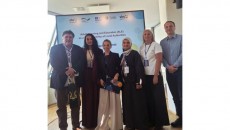
The programme also included a panel discussion entitled "Digital Transformation of SMEs in the Danube Region – Challenges, Lessons Learned and Future Perspectives," focusing on the challenges and future outlook for the digital transformation of the SME sector across the Danube region. A SERDA representative participated as a panellist in the thematic session "Regional Development Agencies as Facilitators of Digital Transformation," where he highlighted the role of regional development agencies in supporting SMEs by connecting them with financial mechanisms, innovation ecosystems, knowledge resources, and international cooperation networks. Particular emphasis was placed on the fact that SMEs today require not only financial support but also practical advisory services, mentoring, digital skills development, and assistance in understanding and applying emerging technologies, including artificial intelligence (AI) and data management solutions.
During the discussion, SERDA also shared its experience gained through the implementation of the Challenge to Change projects, funded by Sweden, which have contributed to the digital transformation of SMEs by supporting innovation, as well as its cooperation with the Japan International Cooperation Agency (JICA) in the fields of business mentoring and enterprise capacity building. It was emphasised that SMEs achieve the best results when financial assistance is combined with expert advisory and mentoring support.
The panel also explored ways in which local and regional institutions can accelerate SME digitalisation by developing a supportive ecosystem based on cooperation, knowledge exchange, and accessible support instruments. Participants highlighted the importance of strengthening digital skills through training, mentoring, and hands-on demonstrations, as well as enhancing collaboration between the public sector, universities, innovation centres, and private-sector stakeholders. It was further underlined that regional and transnational cooperation, particularly within the Danube region, plays a vital role in exchanging good practices and jointly developing innovative solutions for the SME sector.
On the day before the final event, the project partners held a consortium meeting to review the project's implementation status, financial progress, activities related to the organisation of the final event, and measures to ensure the sustainability of the project's results.
The Danube DNA project is implemented under the Interreg Danube Region Programme with the objective of strengthening the capacity of SMEs for digital transformation through international cooperation, knowledge exchange, and the development of innovative solutions.