Archive


SERDA and CapaCITIES 2.0 at SECW 2026: From planning to concrete action for climate neutrality
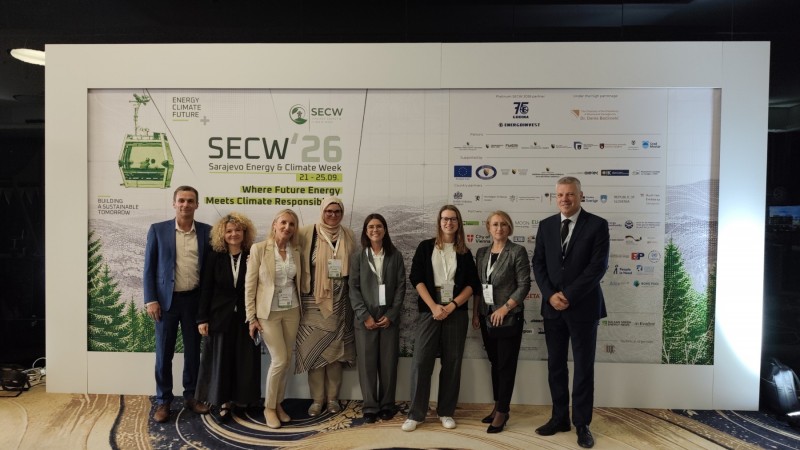
As part of Sarajevo Energy and Climate Week 2026 (SECW 2026), SERDA and the CapaCITIES 2.0 project participated in a series of activities dedicated to climate neutrality and the climate transition in Bosnia and Herzegovina.
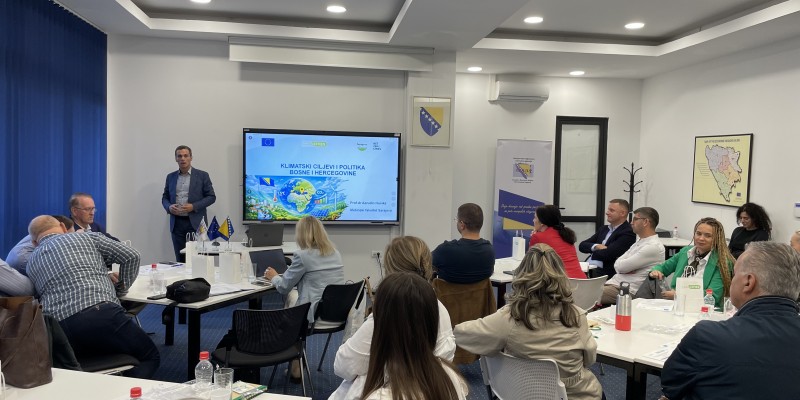
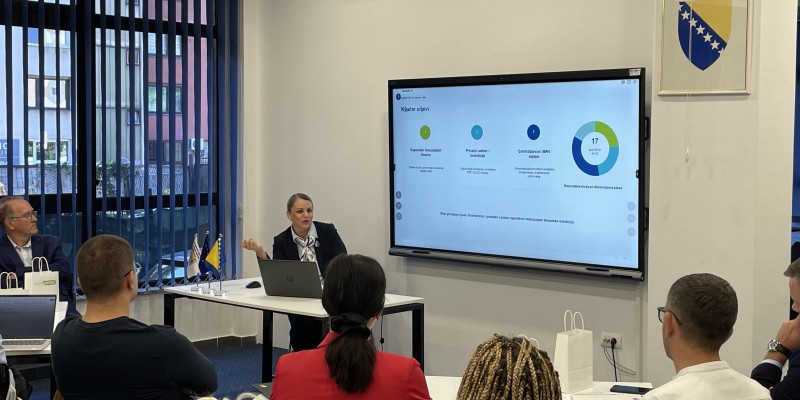
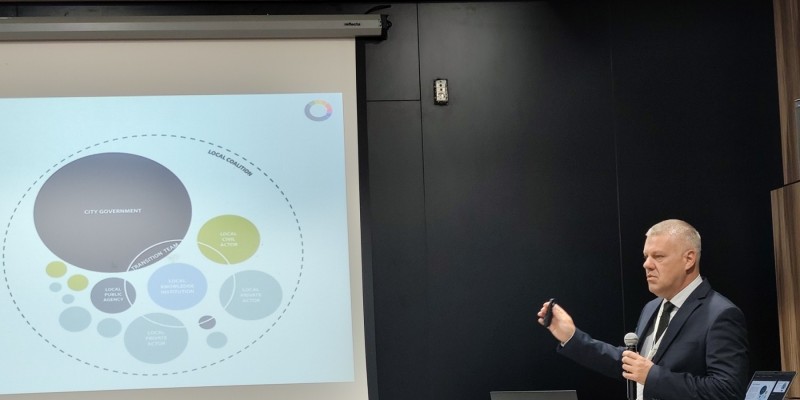
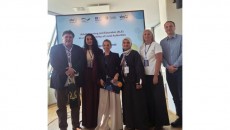
On 23 September, SERDA and CapaCITIES 2.0 took part in the NetZero event organised by the City of Sarajevo, held as part of SECW 2026. The event brought together representatives of relevant institutions and organisations involved in the climate transition process and efforts to achieve climate neutrality goals. On this occasion, SERDA presented its activities within the CapaCITIES 2.0 project, as well as its engagement with NetZeroCities FUA Sarajevo, and highlighted its readiness, within its role as a regional development agency and through its available project capacities, to contribute to providing technical support for the implementation of the Climate City Contract (CCC).
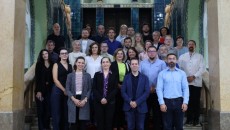
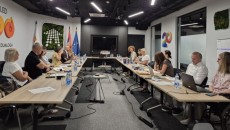
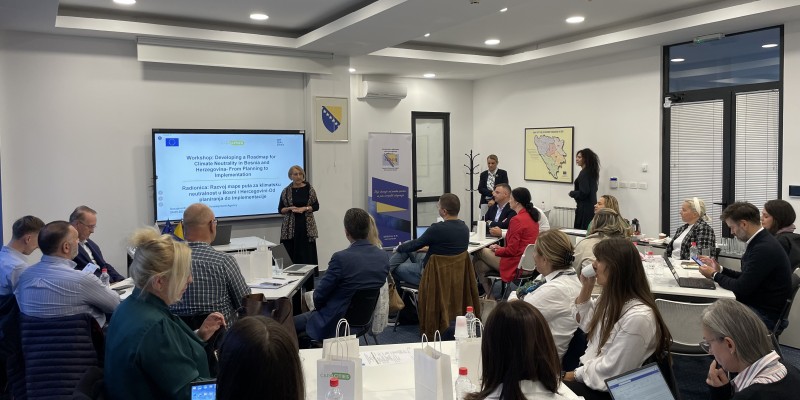
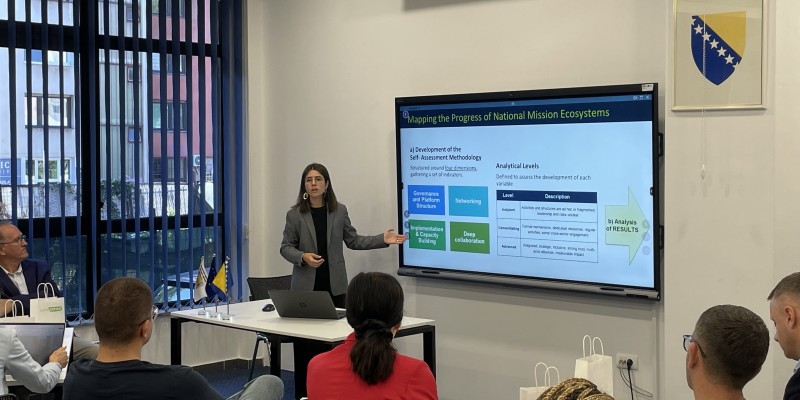
The following day, on 24 September, the workshop entitled “Developing a roadmap for climate neutrality in Bosnia and Herzegovina – From planning to implementation” was held at SERDA’s premises as part of the CapaCITIES 2.0 project.
The aim of the workshop was to engage relevant stakeholders in a discussion, building on the processes and priorities defined through CapaCITIES 2.0, on how to take the next step – moving from planning towards concrete actions and implementation. Particular focus was placed on opportunities for cooperation, the roles of different stakeholders, implementation challenges, and defining the next steps that could contribute to the development of a roadmap for climate neutrality in Bosnia and Herzegovina.
The introductory part of the workshop presented the CapaCITIES Action Plan, with a focus on key priorities, challenges and proposed activities. Participants also discussed climate change mitigation policies and targets in Bosnia and Herzegovina, as well as the importance of monitoring and impact assessment in the climate transition process.
A dedicated segment focused on multi-level governance and cooperation among different stakeholders, including the presentation of experiences and models from other European contexts, such as M100 and Viable Cities. Through discussion, participants explored the possibilities for applying the presented approaches and models in the context of Bosnia and Herzegovina.
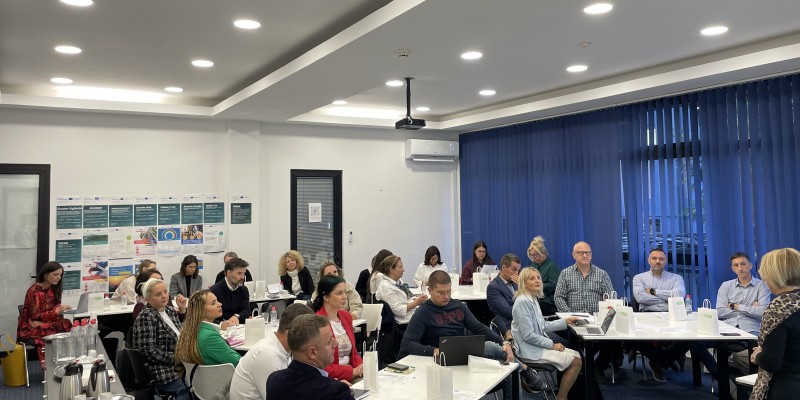
Workshop participants represented a broad range of relevant sectors and levels of action, including public institutions and local and regional stakeholders, academia, the business sector, civil society organisations and other interested parties. Representatives of the CapaCITIES 2.0 consortium and partner initiatives also took part in the workshop, including a representative of the project coordinator UEFISCDI, as well as representatives of UPM, ICLEI and Viable Cities, enabling an exchange of experiences between stakeholders from Bosnia and Herzegovina and European partners.
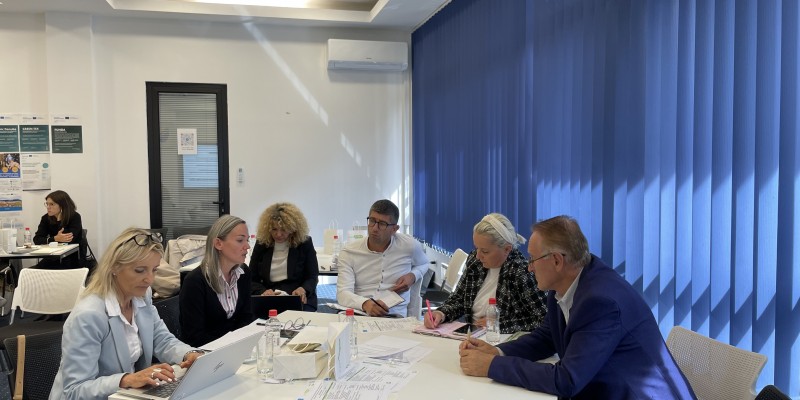
The central part of the workshop was dedicated to joint work on developing the roadmap for climate neutrality. Through interactive sessions, participants discussed possible approaches to implementing the Action Plan, taking into account the roles, responsibilities and capacities of the organisations they represent.
The workshop demonstrated the importance of connecting different institutions, sectors and levels of governance in the climate transition process. Climate neutrality is not the responsibility of a single institution or sector – it requires continuous cooperation, knowledge exchange and joint action.
As a partner in the CapaCITIES 2.0 project, SERDA will continue to contribute to the climate transition process by connecting relevant stakeholders, facilitating the exchange of experiences and supporting the further development of activities aimed at achieving climate neutrality in Bosnia and Herzegovina.